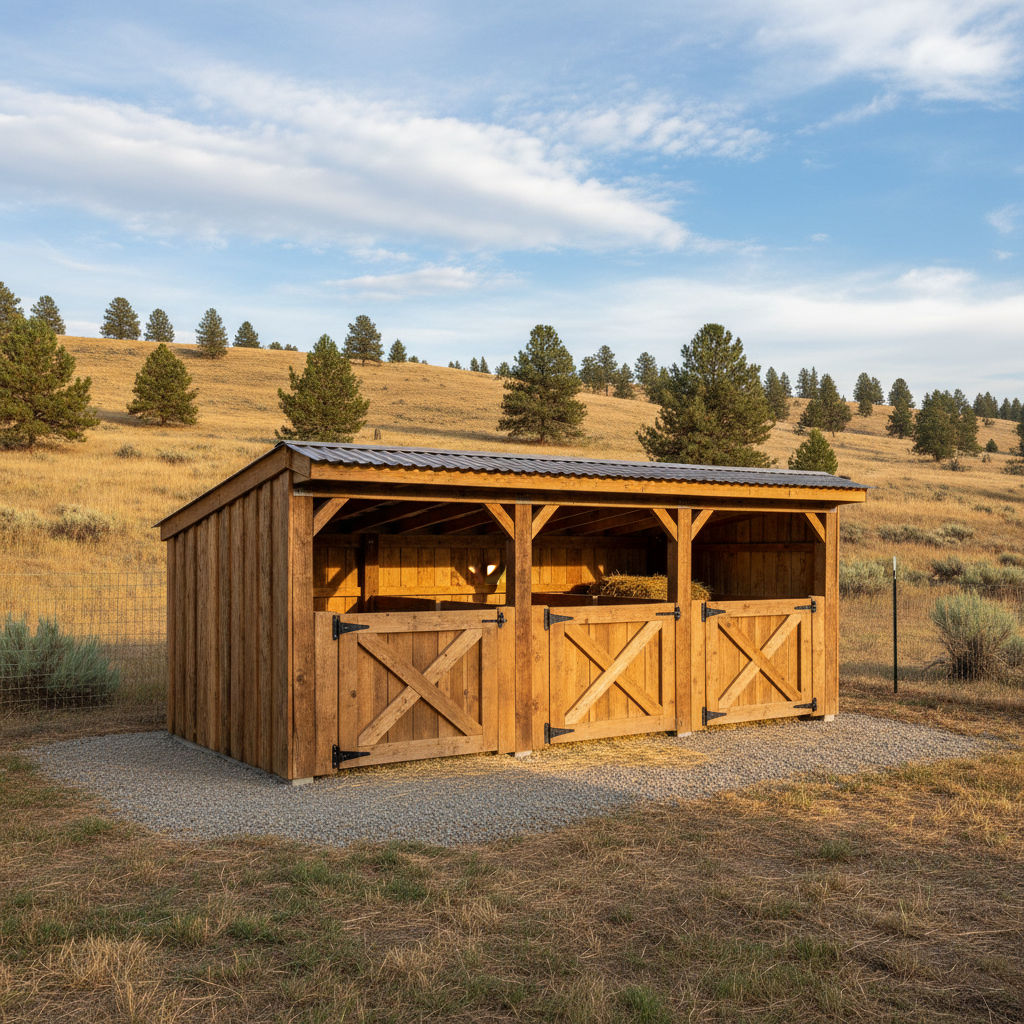
Alright, let's talk about livestock shelters. You've got animals, you need to keep 'em safe and out of the elements, especially with our Great Falls winters. It sounds simple enough, right? Just throw up a barn or a lean-to. But I've seen folks make some real head-scratchers of mistakes over the years, and it usually ends up costing them more in the long run. Let's make sure you don't fall into the same traps.
Mistake #1: Not Knowing Your Local Rules
This is a big one. You can't just build whatever you want, wherever you want, especially if you're outside city limits but still in a zoned area. I've had clients get halfway through a project only to have the county planning department shut them down because they didn't pull the right permits or their structure was too close to a property line. Every county, and even different zones within Cascade County, has specific setbacks, height restrictions, and sometimes even requirements for how many animals you can house per acre.
Before you even draw a sketch, call the county planning office. Ask about zoning, permits, and any specific agricultural building codes. It's a pain, I know, but it's a lot less painful than tearing down a brand-new shelter.
Mistake #2: Underestimating Our Weather
Montana weather is no joke, and Great Falls gets its share of everything. We've got those fierce winds that rip across the plains, heavy snowfalls, and then the chinooks that can melt it all in a day, leading to mud. I've seen flimsy shelters get flattened by a good gust or collapse under a heavy snow load. You need a structure that's built tough.
Don't skimp on the foundation. A proper concrete slab or sturdy footings are critical. And make sure your roof pitch is steep enough to shed snow effectively. Flat roofs are just asking for trouble here. Think about wind bracing too; those big, open sides on a run-in shed can act like a sail if they're not anchored right. You're not just building for a sunny day; you're building for a blizzard and a gale.
Mistake #3: Forgetting About Drainage and Site Prep
This goes hand-in-hand with weather. Our clay soils around here, especially in the agricultural areas just outside of town, can turn into a sticky, impassable mess when wet. If you don't think about drainage, you'll end up with a muddy bog around your shelter. That's not just annoying; it's unhealthy for your animals and can damage the structure itself.
Before any construction, level your site and consider adding a gravel base. French drains or strategically placed swales can direct water away from the shelter. Think about where the water will go from the roof too – gutters and downspouts are worth the investment, or at least make sure the runoff isn't pooling right at your foundation.
Mistake #4: Hiring the Cheapest Bid Without Doing Your Homework
Look, I get it. Money talks. But when it comes to something as important as a livestock shelter, the cheapest bid often means the cheapest materials, the cheapest labor, or corners being cut. I've seen folks get burned by contractors who disappear halfway through, or who build something that just isn't up to snuff.
- Check references. Always. Call their previous clients and ask specific questions: Was the project on time? On budget? Did they clean up? Would you hire them again?
- Verify insurance and licensing. A legitimate contractor will have both. If they don't, you're taking a huge risk if something goes wrong.
- Get a detailed contract. It should spell out everything: materials, timeline, payment schedule, warranties. Don't accept a handshake deal for a big project.
- Ask about their experience with agricultural buildings. Building a house is different from building a barn. You want someone who understands the specific needs of livestock and the stresses a farm building undergoes.
At Custom Sheds Great Falls, we pride ourselves on doing things right the first time, using quality materials that stand up to Montana. We've seen too many folks regret going with the lowest bidder.
Mistake #5: Not Planning for Future Needs
You might only have a couple of goats now, but what if you expand? What if you need more storage for feed, equipment, or tack? Building a shelter that's just barely big enough for today's needs is a common mistake. It's much harder and more expensive to add on later than to build a little bigger or with expansion in mind from the start.
Think about access for vehicles, feed delivery, and cleaning. Consider where you'll store hay – it needs to be dry and well-ventilated. Plan for water and electricity if you think you'll ever need them, even if you don't install them immediately. Running conduit or burying water lines during initial construction is a fraction of the cost of digging it all up later.
Taking a little extra time to plan, ask questions, and vet your contractor can save you a world of trouble and expense down the road. Your animals deserve a safe, sturdy home, and you deserve a shelter that lasts.