Can you deliver a shed to my backyard, or do I need to clear a path?
This is probably the most common question I get, and honestly, the answer is usually, "It depends." We use special equipment to move our sheds, things like a shed mule or a tilt-bed trailer, and they're pretty nimble. But even those need space, right? Think of it this way: if you can comfortably walk a riding lawnmower through a gate or around the side of your house, there's a good chance we can get the shed back there for you. We need a clear path that's at least a foot wider than the shed itself, and about 14 feet of overhead clearance for the truck and shed combined. That means no low-hanging branches, no power lines, and no super tight turns around AC units or fence corners. If you've got a really tight spot, like a narrow alley between houses or a steep hill, we need to know that upfront. Sometimes we can even use a crane for those truly tricky spots, but that's an extra cost and takes a lot more planning. It's always best to send us a few photos or have us come out for a quick look before delivery day. It saves everyone a headache, believe me.
What kind of site prep do I need to do before the shed arrives?
Alright, this part is crucial. A shed, no matter how well built, is only as good as its foundation. You've got a couple of main options here, and what you pick really depends on your shed's size, what you're planning to store, and, of course, your budget.
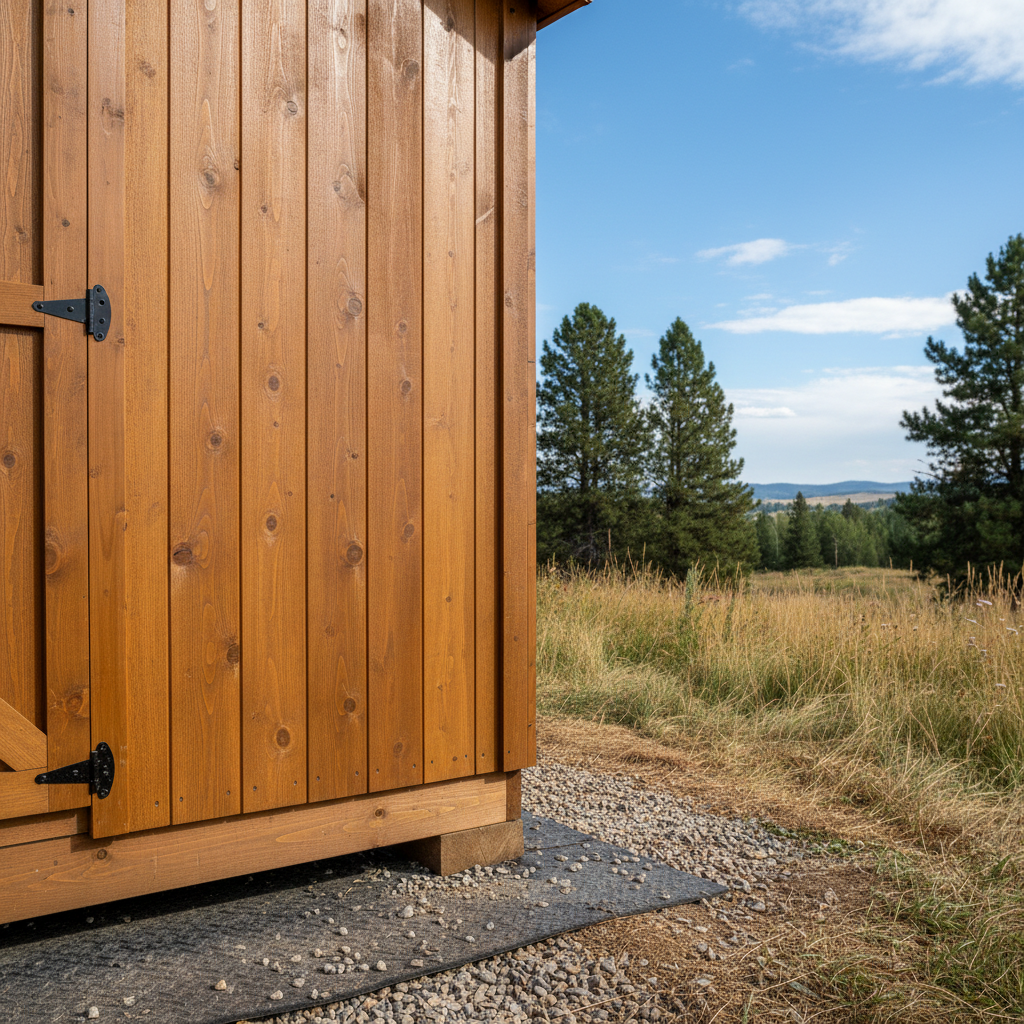
- Gravel Pad: This is what I recommend for most sheds. It drains really well, which is super important here in Great Falls with our freeze-thaw cycles and sometimes heavy spring rains. You'll want a level area, dug down a few inches, then filled with 4-6 inches of compacted gravel. The pad should extend at least a foot beyond the shed's footprint on all sides. This stops moisture from wicking up into the shed floor and keeps critters from nesting underneath.
- Concrete Slab: For really heavy-duty sheds, workshops, or if you're planning to pour a concrete floor inside, a slab is definitely the way to go. This needs to be perfectly level and completely cured before we set the shed down. It's more expensive and permanent, sure, but it's rock solid.
- Concrete Blocks/Pavers: For smaller, lighter sheds, sometimes folks just want to set it on concrete blocks or pavers. If you go this route, you absolutely need to make sure the ground underneath is level and compacted, and the blocks are perfectly aligned and shimmed. Otherwise, your shed will sag and twist over time, and that's just asking for trouble with doors and windows not closing right.
Whatever you do, make sure the site is clear of debris, weeds, and anything else that might get in the way. We can't do site prep on delivery day, so it needs to be ready to go when we pull up.
How long does installation take once the shed is delivered?
For a pre-built shed, the installation part is usually pretty quick. Once we've got it positioned on your prepared foundation, it's mostly about leveling it properly. We use shims and blocks to make sure it's perfectly plumb and level, which is vital for the doors and windows to operate correctly and for the shed to last. For a standard 8x12 or 10x16 shed, we're usually talking an hour or two from the time it's off the truck to being fully set and leveled. Larger sheds, or if we're dealing with a particularly uneven foundation (even if you tried to level it, sometimes there are surprises), might take a bit longer. If you've ordered a shed that's built on-site, that's a different story entirely. Those can take anywhere from a full day to several days, depending on the size and complexity. But for a pre-built, delivered shed, it's a pretty fast process once we're on site.
Do I need to be home for the delivery and installation?
Yes, please do. It's really important for you to be there. First off, you can guide us to the exact spot you want the shed. Even if we've discussed it, seeing it in person on the day helps confirm everything. Second, we'll need you to sign off that the shed was delivered and installed to your satisfaction. Third, sometimes there are unforeseen obstacles or questions that pop up, and it's much easier to resolve them on the spot with you there. If you absolutely can't be there, we can make arrangements, but we'll need very clear instructions and possibly a marked spot for the shed. But honestly, it's always better if you're present.
What about permits? Is that my responsibility or yours?
This is a big one, and it's almost always the homeowner's responsibility to check and secure any necessary permits. Building codes vary, even within Great Falls. Generally, smaller sheds (under 120 or 200 square feet, depending on the specific city or county rules) might not require a building permit. However, even if a building permit isn't needed, you might still need to check with your HOA (if you have one) or for any zoning setbacks. Some neighborhoods, especially older ones with smaller lots, have strict rules about how close you can build to property lines. It's always best to call the City of Great Falls Planning Department or Cascade County Planning Department before you buy a shed. Tell them the size of the shed you're planning, where you want to put it, and what you'll use it for. They'll tell you exactly what permits, if any, you need. Getting a shed delivered and then finding out you can't have it there? That's a real nightmare, and it's one we want you to avoid.
What if my yard isn't perfectly level? Can you still install the shed?
Most yards aren't perfectly level, especially around here with some of the natural slopes you see in places like the Riverview area. That's totally normal. Our job is to make your shed level on whatever foundation you've prepared. If you've got a gravel pad, we'll fine-tune the leveling using shims. If you're just putting it on blocks, we'll adjust those. However, if your yard has a significant slope, like more than 6-8 inches across the footprint of the shed, you'll need to do some serious grading or build a retaining wall to create a level pad. We can't just 'float' a shed on extremely uneven ground. It'll compromise the structure, make the doors bind, and lead to water problems. So, if you've got a really sloped yard, plan for some earthwork before your shed arrives. We at Custom Sheds Great Falls can give you some advice on what's feasible when you're planning your purchase.
What's the best time of year for shed delivery and installation in Great Falls?
Honestly, we deliver year-round, but spring, summer, and early fall are generally the easiest. The ground is usually drier and firmer, which makes maneuvering equipment much simpler. In winter, with snow and frozen ground, access can be tougher. We can still do it, but you might need to clear snow from the path and the shed site. Frozen ground can also make leveling a bit trickier, as it's harder to dig or adjust a gravel pad. Muddy conditions in spring can also be a challenge, potentially leaving ruts in your yard. So, if you have the flexibility, aiming for a delivery when the weather is cooperative will make for the smoothest experience for everyone involved.