Before You Start: Planning Your Shed Project
So, you're finally ready to get that extra storage space you've been dreaming about. Good for you! A shed can really change things, helping you clear out the garage or keep all your outdoor gear neat. But before you even think about buying one, or digging a single hole, there are a few things you really need to sort out.
First off, what are you actually going to put in it? Just a couple of lawnmowers and some garden tools? Or are you picturing ATVs, a workbench, maybe even turning it into a small workshop? That decision impacts the size, what kind of door you'll need, and even the foundation. Don't just guess; measure your biggest items. Believe me, people often wish they'd gone just a little bit bigger.
Next, it's all about location, location, location. Where on your property will this shed live? You'll want to think about things like drainage — you definitely don't want your shed sitting in a puddle every spring melt. Also, consider accessibility. Can you get your lawnmower in and out easily? Is it too far from the house to be handy for garden tools? And here in Great Falls, especially with our sometimes-gusty winds, you want to make sure it's not in a spot that will catch the full force of a winter storm. We've seen sheds get pretty beat up out in the open, particularly on properties closer to the river or out in the valley where there's less windbreak.
Permits. Ugh, I know, nobody likes permits. But for most sheds over 120 square feet in Great Falls, you're going to need one. Even smaller ones might require a zoning review, depending on how close they are to property lines. It's always best to check with the City of Great Falls Planning Department. A quick call can save you a huge headache and potential fines down the road. Seriously, it's not worth skipping this step.
During the Project: DIY or Call the Pros?
Alright, you've got your plan, you know where it's going, and you've checked on permits. Now comes the fun part: getting it built. This is where a lot of homeowners ask, "Can I do this myself?" The answer is, it really depends.
Foundation: This is probably the most crucial part of any shed project. A good foundation makes sure your shed lasts, stays level, and doesn't become a home for critters. For smaller, lighter sheds, a gravel pad can work, especially if you're comfortable with some digging, leveling, and compacting. You'll need to lay down a good base of crushed gravel, ideally 4-6 inches deep, and make sure it's perfectly level. For larger, heavier sheds, or if you're planning on pouring a concrete slab, that's usually when I suggest calling in a pro. Concrete work isn't for the faint of heart, and a poorly poured slab will cause problems for years. We at Custom Sheds Great Falls handle foundations all the time, and we've seen firsthand the difference a properly prepared base makes.
Assembly: If you've bought a pre-fab kit, many homeowners can tackle the assembly themselves. They come with instructions, and if you're handy with basic tools, you can usually get it done over a weekend with a friend. Just make sure you follow the instructions exactly and don't rush. The biggest mistakes I see often come from people trying to cut corners or skip steps. For custom-built sheds, or if you're building from scratch, that's a whole different ballgame. Framing, roofing, siding — these all require specific skills and tools. Unless you've got experience in construction, you're probably better off hiring someone who does. It'll save you time, frustration, and likely result in a better-looking, more durable shed in the end.
Tools & Equipment: Think about what tools you'll need. For a kit, you might get away with a drill, hammer, level, and tape measure. For a custom build or foundation work, you're looking at saws, nail guns, compactors, concrete mixers, and more. Do you own these? Can you rent them affordably? Sometimes the cost of renting specialized equipment can quickly add up to what a pro would charge for the job.
After It's Built: Maintenance and Longevity
So, your shed's up, it's looking good, and all your stuff is finally organized. Great! But your work isn't quite done. A shed, just like any other structure on your property, needs a little love to last. Especially with our harsh Montana winters and hot summers, proper maintenance is key.
Keep an eye on the roof. Check for loose shingles or any signs of leaks, especially after heavy snow or hail. Clear off any debris that accumulates. Make sure your gutters (if you have them) are clean and directing water away from the foundation. Water is the enemy of any structure, and you want to keep it as far away from your shed's base as possible.
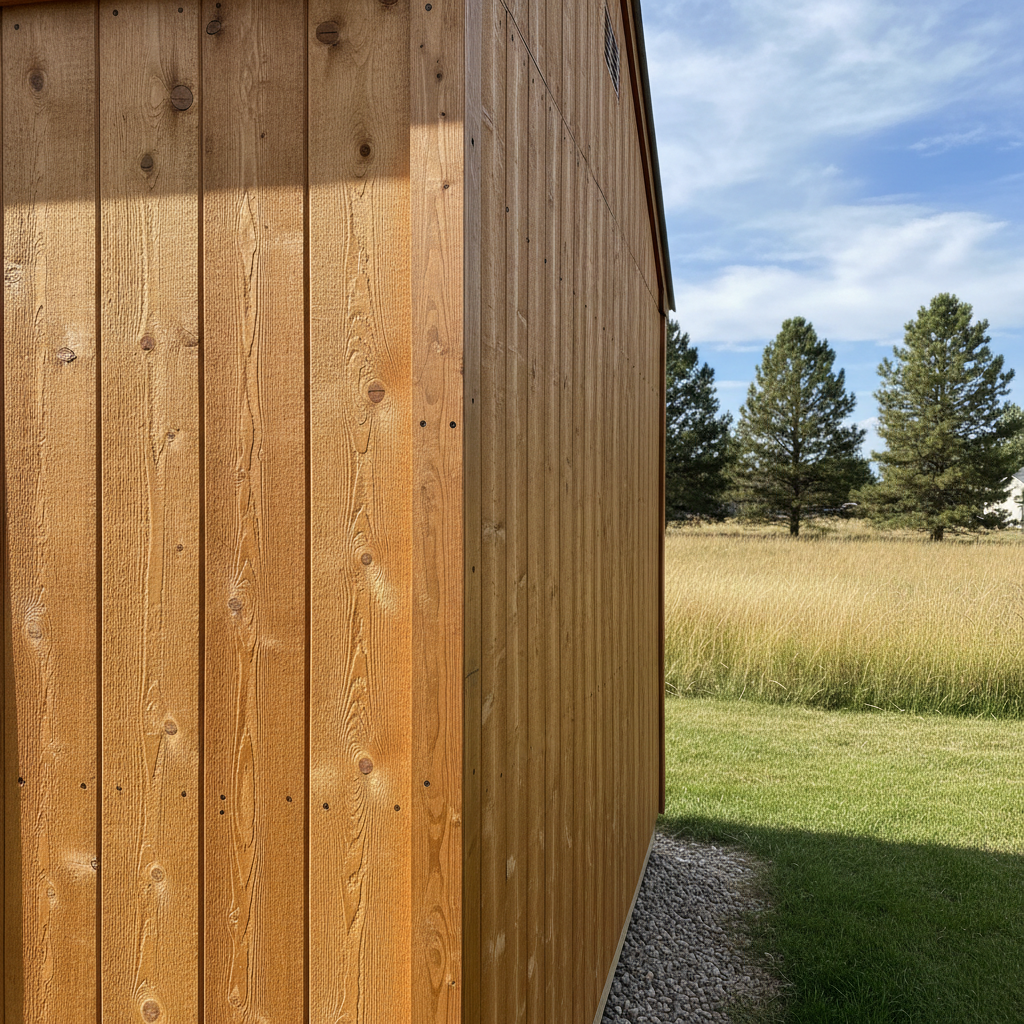
Check the siding and trim for any rot or damage. If you have a wood shed, a fresh coat of paint or stain every few years isn't just for looks; it protects the wood from moisture and UV damage. Keep the area around the shed clear of weeds and brush to prevent moisture buildup and deter pests. You don't want mice or other critters deciding your shed is their new home for the winter, do you?
Finally, keep an eye on the door and windows. Make sure they're sealing properly to keep out moisture and drafts. Lubricate hinges if they start to squeak. A little preventative maintenance goes a long way in making sure your shed serves you well for decades to come.